Today, Amazon announced their entry into the monobrand e-tailing business with an online store dedicated to Derek Lam’s 10 Crosby contemporary line.
You may recall that on May 7th, 2012, Amazon’s Jeff Bezos proclaimed, “It’s Day 1 in the category,” in reference to Amazon’s foray into the fashion world. Since that time, a good bit has been written about the impact this would have on the fashion industry. The big question on everyone’s mind was: Would Amazon be as disruptive to the fashion world as it has been to books, DVD’s, music and other products?
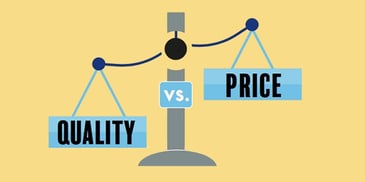
Amazon executives are well versed on the company’s mantra of eliminating costs and waste in order to offer consumers lower prices. But when it comes to fashion, that mantra has been tested. In October, Cathy Beaudoin, President, Amazon Fashion stated on ft.com: “Price is not really a differentiator for us . . . We maintain the pricing integrity that our brands have established and we don’t break from that.”
At Amazon, it’s all about Amazon. In an article on WWD regarding the Derek Lam line, Beaudion stated: “When we think of what’s next, we think of ourselves. We want to raise our own bar for presentation and innovation around the shopping experience, and partnerships like this one that elevate the whole experience give her content that she might not have [received] otherwise, and immerse and shop the brand in a way that she can’t today.”
Amazon and Beaudoin are in discussions with bigger names including Ralph Lauren, Burberry, and Gucci and Prada from Italy. German fashion group Hugo Boss says Amazon’s power cannot be ignored, but adds that many Hugo Boss products on Amazon have not been approved for sale on the site. Amazon, which gets 40 percent of its revenue from 3rd party sales, continues to deal with complaints from Hugo Boss and Guess over the practice of unauthorized sales.
Another challenge Amazon will face, similar to brick and mortar stores, is the acceptance of retailer/designer collaborations (e-tailer in this case). The success or failure of these collaborations is dependent on three critical, interdependent elements: the designer, the retailer and most importantly the customer. In an article on Forbes.com entitled Retailer/Designer Collaborations – The Missing Link, Greg Petro, CEO of First Insight stated, “The solution is for retailers and brands to understand whether their target consumers will buy the proposed collections through the proposed channel. This involves a deep understanding of consumer value at an individual brand and product level, by retailer. The good news is that consumers want to be involved, and modern technology tools make this possible."
Amazon will not be immune to the factors that can make or break a successful collaboration between retailers and designers.
In his four part series on Forbes.com last year, “Can Amazon Take on Fashion?”, Greg Petro discussed in detail the challenges Amazon would face when entering the fashion world. In addition, opportunities and solutions were presented for retailers and brands to create exclusive assortments in order to avoid commoditization and instead present a truly unique product.
Time will tell if Amazon will reap big rewards with its fashion foray. But confidence in their success is not an issue. Closing the article on WWD, Beaudoin concluded, “It’s a 10 Crosby destination on Amazon. It’s a little boutique that’s integrated into our store like a shop within a shop. It’s a model for how we want to partner with brands going forward. It’s our maiden voyage with this brand, and we’re all really [pleased] about it. It’s feeling really good.”

Posted by
Greg Petro on Wed, May 30, 2012 @ 01:39 PM
In the last two weeks, I have written about Amazon’s planned entry into the fashion business. (click here to read parts 1 & 2 of the blog). Retailers are concerned that they will become “showrooms” for Amazon, and their concerns are not unfounded. Comscore just published a study indicating the leading mobile retail activities among people using smartphones: finding a store (33%), comparing prices (21%), and looking for deals (20%).
Last week, I wrote about the challenges Amazon will face, and concluded with my belief that ultimately Amazon will succeed through its market power and its vast resources. But its success doesn’t necessarily come at the expense of retailers and brands. So, how can the more traditional players maintain margins across channels and also win in this environment?
There is a way…
Each major retailer has a huge base of loyal shoppers, and these shoppers go out of their way to patronize their favorite store. A customer may shop for a brand, for example, but the specific products they desire differ based on the retailer (e.g. Nordstrom, Bloomingdale’s, or Saks). Each store’s customer base has its own unique set of characteristics. Retailers often talk about “our customer” and develop a persona around this type of individual.
Brands also have loyal customers. Once a customer has emotionally invested in a certain brand, the brand’s customer keeps coming back, looking for what is being offered next. Apple is a great example of this. But even though people are loyal to brands, their shopping patterns for those brands differ by retail channel. For example, the Levi’s jeans carried by Brooks Brothers are a higher end product than those carried at Kohl’s.
Herein lies the opportunity…
How can brands and retailers come together and find a win-win?
The solution is to provide brands and/or products that are exclusive to the retailer. In books and electronics, commoditization was inevitable since these categories do not generate an emotional appeal. For apparel, it is this emotional appeal that creates opportunities for differentiation, which are nearly endless.
What if brands partnered with their retailers and developed exclusive product lines for each one? Shoppers would not be able to find the same merchandise at multiple retailers regardless of whether they shop in stores or online. Those who like to shop at Nordstrom would find the apparel lines they like, and their loyalty would remain with Nordstrom. Same with Macy’s, Saks, and Neiman Marcus. Those who prefer to buy online, meanwhile, could shop the retailer’s website, since they would find the same merchandise they find in the stores. If a retailer has the right products for each channel, the number of products selling through at full price would be higher, creating a winning scenario for the department stores and the brands.
Where does that leave Amazon? Well, the brands would create a line for Amazon, which is differentiated from the lines that are offered in the retail outlets. It would be up to the brand working with Amazon to decide which lines go to Amazon.
Of course, exclusive branding has been done for years, but often without good data on what styles each retailer’s consumers really want. Retail merchants often guess, and give guidance to the brands, who apply more guesswork. But there are ways in which retailers and brands can work together to determine the specific styles that resonate with each set of consumers, before manufacturing and buy commitments are made.
This will be the subject of next week’s email. You can also visit my blog on Forbes.com – I am interested in reading your comments on the topic.