




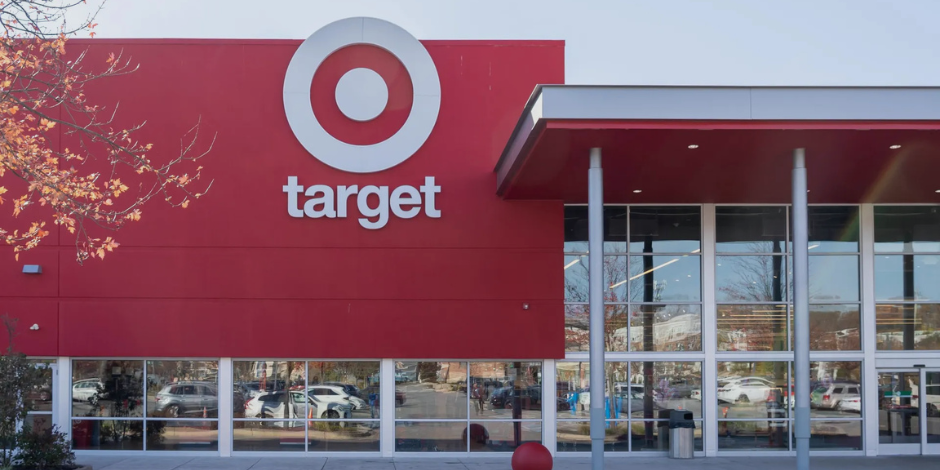
According to the Law of Holes, an adage that describes a common dilemma in life or business, “If you find yourself in a hole, stop digging.” As reflected in declining sales, eroding financials, and a series of unforced public relations fiascos, Target has been digging itself a deep hole for the past four years.
Now, a few weeks shy of reporting its annual results (the retail year ends Jan. 31), Wall Street is braced for more of the same. In spite of a recent executive shakeup and the company’s promise of a $5 billion rehabilitation plan, it appears analysts who follow the company have pretty much given up hope of a turnaround anytime soon.
A year ago there were 33 investment experts who had published opinions on the stock, according to Tipranks.com, an AI-based platform that institutional investors use to track analyst performance. Half had rated Target a buy and the other half a hold. The stock was trading at $133 a share, down 50% from its all-time high of $264 in 2022.
At the time, none recommended selling, in part because Target is a so-called “dividend king,” a sobriquet bestowed on companies that have paid stockholders a dividend for more than 50 consecutive years. Last fall, its dividend rate flirted with a high of 5%, making a compelling case for owning it. The stock has recovered somewhat since then, but the dividend rate still looks good today, in theory, at about 4%.
Nevertheless, the number of analysts listed as following the company now has shrunk to 22. Only three rate it a buy. In spite of the dividend, nearly half have issued a sell signal.
Target, once a Wall Street darling for its transformation from mass-merchandise discounter to budget chic-boutique vibe and earning the nickname “Tar-Zhay,” has become a challenge of a retailer. It has flailed its way through a resilient consumer economy while its rivals, like Walmart, have flourished.
Target’s problems blossomed in 2023 when the company debuted a poorly executed Pride Month promotion that became the focus of a right‑wing campaign. The controversy escalated to include in-store confrontations with employees. The company ended up abandoning its diversity commitment altogether, a move that outraged a whole other swath of shoppers. Nobody was happy.
A few months later, Target announced that it was closing some of its stores that it said had been hit by gangs of shoplifters.
Since then, revenue growth sputtered and then stalled. In seven of the last 10 quarters, quarterly revenue has been shrinking, reflecting what some analysts say is uninspired merchandise and disorganization. Customers complain about bare shelves, uneven service, tired layouts, and a confusing proliferation of private label goods.
Target’s latest PR fumble came late last year when it introduced a rule requiring employees to actively engage with shoppers when they were within 10 feet by smiling, making eye contact, and waving. Within four feet they were instructed to make a verbal greeting. Target said this “10-4” rule was supposed to make customers feel more “appreciated” and boost “guest loyalty.” Instead, many shoppers found it forced and creepy.
“A lot of people who used to adore Target are now, in a word, haters,” according to Celine Provini, a senior editor at TheStreet.com. In a recent lengthy post, she writes, “I used to love walking into Target and roaming the aisles for interesting finds. The days of browsing Target’s inventory for fun are long gone.”
In its announcement about the $5 billion commitment, Target’s new CEO Michael Fiddelke said plans include building new mega-stores, remodeling existing stores, upgrading its tech infrastructure, and protecting the dividend.
Little was said about the real challenge — how to repair the extensive damage that has been done to the brand. That will take years and a lot more imagination and attention to detail than the company has shown in a long time. Until then, the hole is likely to just get deeper.

Subscription required.