




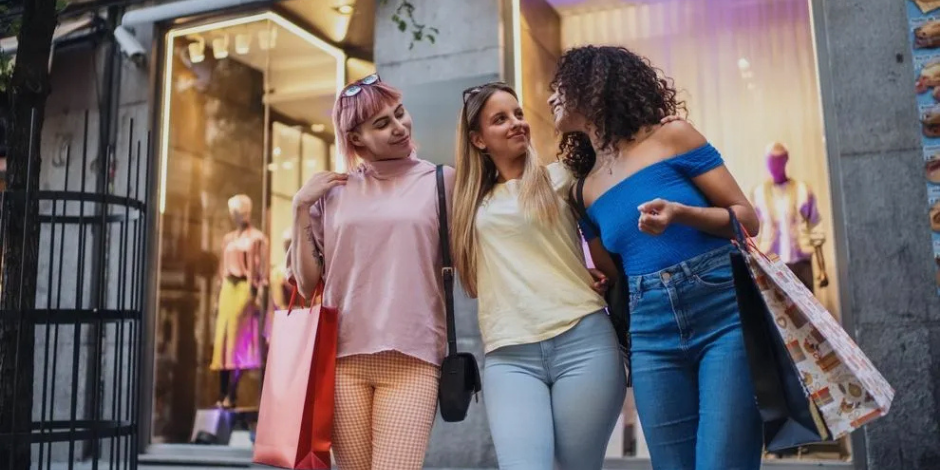
The history of fashion is pendulum-like: each generation’s fresh new look emerges, peaks, and then ages out to become the butt of the next generation’s jokes (e.g., “mom jeans”). This time the swing goes beyond fashion to include how young consumers shop, and especially where.
The fresh new look today belongs to Gen Z (roughly 15-30) — the first all-digital generation; the largest generation (about 70 million in the US); and the target of the booming “social commerce” market. Gen Zers came of age in a world of frictionless e-commerce, with a good chunk of their school and social lives interrupted and defined by the pandemic.
Today the pendulum is swinging away from that digital life and toward experiences IRL — “in real life.” A Gen Zer who two years ago might have posted to TikTok bragging about their latest Shein “haul” (shopping spree), this year is more likely to skip the “Buy Now” button and instead make plans with friends to “vibe” at the mall, and then turn that visit into a TikTok video.
According to a recent Financial Times report on Gen Z trends, apparel stores like Edikted and Uniqlo in some of the UK’s largest shopping districts have been packed lately with teens and young adults who want to socialize while being able to “feel the material,” try garments on, and get feedback from friends.
The embrace of real life among young people is in line with some of the other shifts that researchers have been tracking, many of which are said to be expressions of “historical nostalgia.”
A survey by Human Flourishing Lab, a Washington, DC-based think tank, found that 60% of Gen Zers “wish they could return to a time before everyone was ‘plugged in.’”
Retro Y2K styles and memes are hot at the moment. Non-digital cameras that require film are trending along with vinyl records, board games, books, and mechanical wrist watches.
Gen Z is also rewriting the rules of how fashion evolves. “Younger generations tend to be experimental rather than brand-loyal,” according to a recent Boston Consulting Group report. “Their discovery-to-purchase journeys are predominantly trend- and product-driven, rather than brand-driven.”
Style among young consumers is becoming more an expression of individuality, less about being part of a tribe (like Millennials), and thus less predictable. According to Fittux, a UK-based retailer of gym wear and gear, “Instead of following one style, Gen Z blends influences. Vintage trainers (sneakers) sit alongside modern gymwear. Premium hoodies are mixed with affordable basics. Smaller brands are worn alongside global names.”
Generations Z and Alpha are on track to make up 40% of fashion spending by 2035. The apparel industry will be challenged to figure out how to inspire customer loyalty among a cohort that is wary of traditional marketing techniques and expects authenticity.
As the recent Boston Consulting Group report warns, “Fashion industry players that adhere to the status quo will find themselves left behind because today’s youngest consumers aren’t taking their cues from brand legacy.”

Subscription required.